
Book Clubs - Exploring with Many Arms and Many Ideas

Updated: May 5
Diving in to the Deep Unknown

Similar to my Knot Art, Octopi, leadership teams have many arms and many ideas. Octopi are very curious and intelligent creatures, ready to explore and learn. A great way to bring out the "octopi" in team leaders is to dive deep into the unknown through the concept of book clubs.
Leadership book clubs, when done well, are far more than “extra reading.”
They are a simple, powerful way to:
Spark creativity
Build critical thinking
Ignite collaboration
Demonstrate inclusion
Uncover real ways to improve operations
It's a CLUB not an Assignment
In busy operations, a book club can sound like homework: “Don’t we do enough during our 10‑hour shift?”
That’s where leadership design matters. When leaders frame the experience as a “happy hour” book club with snacks, or a special morning coffee break or lunch, the tone shifts. It becomes:
Social, not stiff
A privilege, not a chore
A safe place to stretch beyond the frame of standards
Done well, a book club becomes a living lab for culture change.
What Great Book Clubs Have in Common
Members of a strong leadership book club:
See participation as a special opportunity and commit to attend.
Come prepared, having read the assigned pages.
Stay open to new ideas and bring their own.
Look for ways to apply concepts to customers, colleagues, and operations.
The goal is not to “get through the book.” The goal is to change how people think, talk, and act together.
8 Key Concepts to "Knot" together a Successful and Rewarding Book Club
Use these concepts to design a book club that feels as intentional as a piece of knot art—many strands, one form.
Make it collaborative and inclusive. All voices are welcome. Invite input from every level and every style.
Make it feel special. Add snacks, coffee, or a relaxed setting. Signal: “This matters. You matter.”
Track attendance to build commitment. Not to punish, but to show that showing up is part of leadership.
Rotate discussion leaders. Assign chapters to different members. This builds ownership and confidence.
Mark the pages that matter. Ask members to flag key ideas. Leaders should also come with 2–3 concepts ready to spark discussion:
How does this apply to me?
How does this apply to our department?
How does this apply to our business?
Ask the “so what?” questions:
How can we use this to better engage customers/guests?
How can we use this to better support colleagues?
How can this improve the services and products we provide?
Capture what resonates.
Take notes during discussions.
Summarize key insights and ideas.
Use these notes later when you design changes or innovations.
Turn insight into action. Ask: What can we do differently because of what we learned? Use the concepts to guide experiments, process changes, and new habits.
When you treat the book club as a creative process—like coiling fibers into a new form—you move from “nice conversation” to real change.
Bringing the Book Club to Life
Pick a relevant book.
The right book lowers resistance and raises curiosity.
Choose a book that:
Connects to your current leadership themes
Is readable and manageable in length
Feels practical, not theoretical
For example, Ron Clark’s Move Your Bus worked well in my last Hotel Manager position.
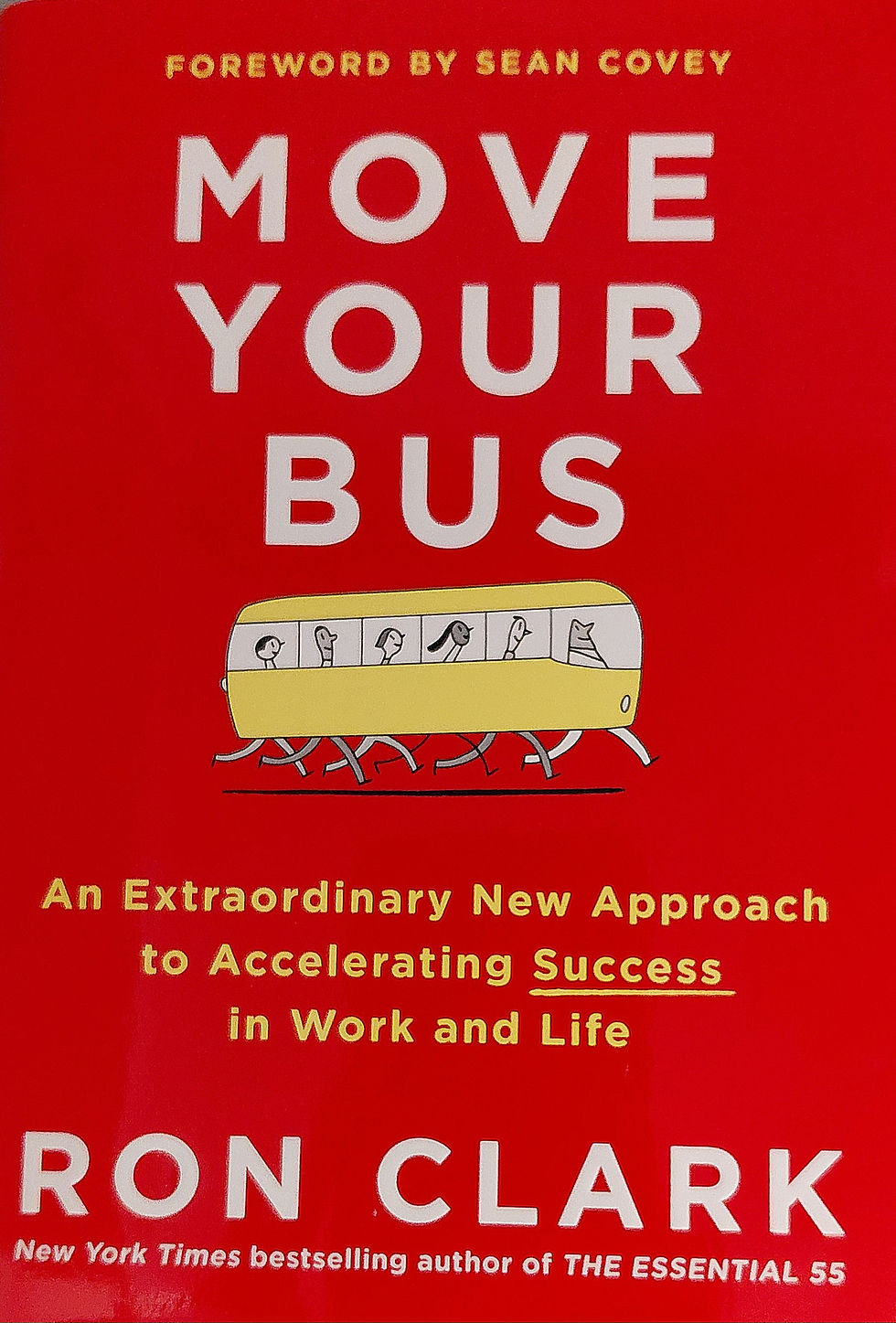
He spoke at a corporate meeting and was highly engaging.
The book was short, clear, and easy to apply.
It was already approved and aligned with leadership messages at the time

Prepare Discussion Summaries
After each meeting, the book club leader (or a rotating scribe) should:
Capture key ideas, quotes, and “aha” moments.
Note examples of how concepts might apply to the team’s work.
Share a short summary with the group.
This simple step:
Signals that the conversation matters.
Prepares the team for their final project: turning ideas into action.
Builds a record of learning you can return to later.
Create Team and Individual Accountability
As the book wraps up, move from discussion to design.
At the team level:
Each department team identifies a key issue revealed through reading and discussion.
They create a plan to address it.
They present their ideas—via PowerPoint or another format—to peers and leaders.
At the individual level:

Each leader names their key learnings.
Each chooses one focus area for personal growth—one way they will “stretch beyond the frame.”
These commitments are documented and shared back with them.
In one program, each leader received their commitments printed and placed in a framed Lucite holder for their desk—a visible reminder of their promise to themselves and their team.
This is where a book club stops being an event and becomes a catalyst.
Call to Action: Stretch Beyond the Frame
If you are a leader, HR partner, or learning professional, consider this your invitation:
Don’t just run a book club.
Design an experience that knots together learning, accountability, and joy.
Ask yourself:
What “deep unknown” do we need to explore as a team right now?
Which book could help us name it, face it, and act on it?
How can we turn reading into real, visible change?
When you’re ready to stretch beyond the frame of standard training, you can:
Host a leadership book club that feels like a creative studio, not a classroom.
Use it to surface stories, ideas, and innovations that might otherwise stay hidden.
Comments